Story Telling in Content Marketing Traditional advertising methods no longer work in this competitive online marketplace. Customers are bombarded with hundreds of advertisements on a daily basis so a standard promotional message typically won’t make much of an impact anymore. Today’s consumers want to see the brand’s connections emotionally, be able to feel like a real person and have a meaningful experience with the brand
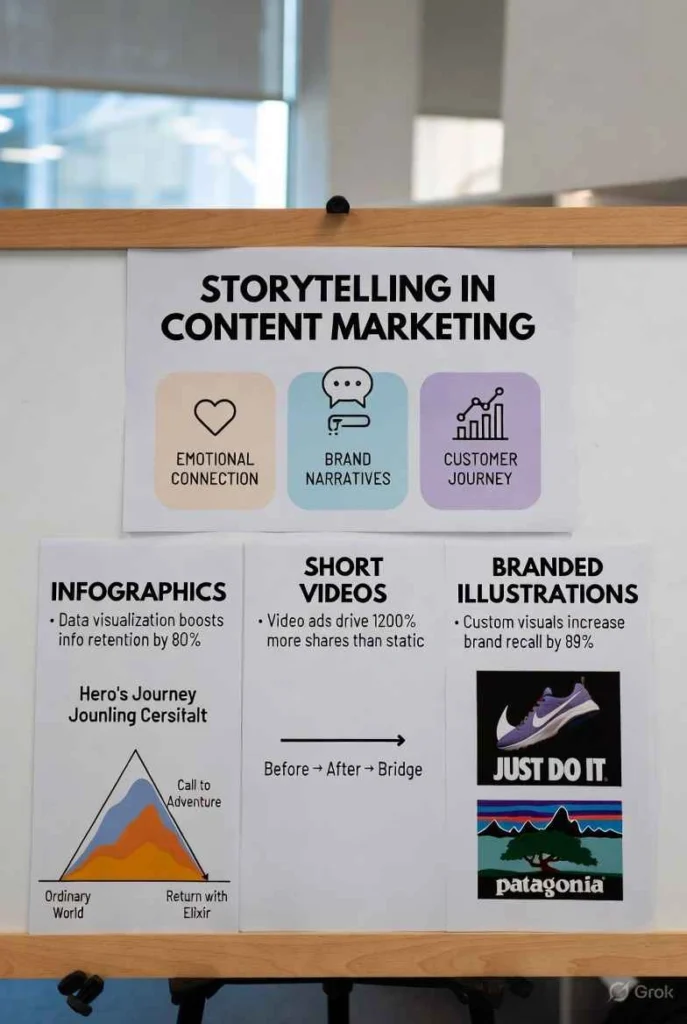
. This change in consumer behavior has allowed storytelling to become one of the strongest forms of content marketing. Storytelling allows brands to convert their primary message from an advertisement into something consumers can relate to. If done right, this converts potential customers into loyal customers through trust, stronger connections and emotional bonds that last for years.
Selling compelling stories to promote and sell products is nothing new .However storytelling in content marketing is one the biggest facets of building stronger customer connections .Whether you own business or work as a business or work as a professional marketer understanding storytelling marketing in digital marketing is essential.
The power of story telling in content marketing is evident in today’s content marketing because storytelling allows companies to connect with their customers on a more human and emotional level. By sharing stories about their product (customer experiences) brand (values) or everyday events, companies create a natural medium for sharing their products with customers instead of marketing.The power of storytelling is evident in today’s content marketing because storytelling allows companies to connect with their customers on a more human and emotional level. By sharing stories
about their product (customer experiences), brand (values), or everyday events, companies create a natural medium for sharing their products with customers instead of marketing. Digital Marketing Efforts Get Boosted With Storytelling Content Creation. Content Creation Can Include Using Social Media Posts, Blogs, Videos, And Advertisements To Produce Content That Is Both Engaging And Shareable. This Will Help To Increase The Reach Someone’s Content Has In Comparison To Their Competitors’. In Addition, Storytelling Provides An Opportunity For A Brand To Showcase Its Authenticity; By Sharing Examples Of Challenges Overcome, Examples Of Successes Accomplished, And Customer Testimonial Words, Brands Can Project Transparency And Build Trust Into The Market.
Using a story to communicate an idea is increasingly being used in today’s content marketing. Brands no longer attempt to sell their products directly. Instead, they focus on telling stories that convey emotional messages to customers. This way, they build trust with their customers and develop a strong long-term relationship. The following points will discuss how important storytelling is in content marketing.
what are the Importance of Story Telling in Content Marketing
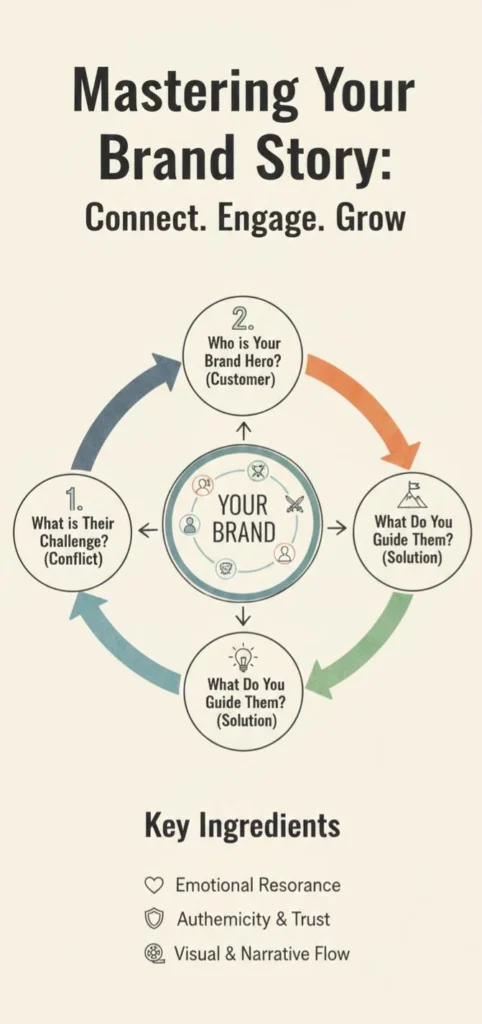
Creates Emotional Bonds with Consumers
Stories create emotions such as: happiness,trust and inspiration. When consumers feel a connection to the brand, the likelihood of them supporting that brand positively increases.
Builds Trust Between Consumers and Brands
Consumers are more trustful of “real” stories than they are of direct advertising. By sharing their customers’ experiences; struggles, and success stories, it creates a credibility factor for a brand.
Creates Recall of a Brand Name for a Long Time
Facts can be easily forgotten,however, a story can leave a lasting impression of the brand name on a consumer’s mind for quite some time.
Helps Identify a Brand from Competition
Currently, there are a large number of competing brands that provide the same or similar products or services. Storytelling allows a brand to create an individual identity that distinguishes it from other brands. Customers are able to fully comprehend how that brand differs from others when that brand tells its distinct story with supporting values, mission, etc. A well-told story assists in giving the brand a unique identity and personality. This distinction from other brands also gives the customer more reason to choose that brand than any other.
Provides Engagement by Creating a Dialogue with Customers
Storytelling provides an opportunity for brands to engage in a dialogue with their customers rather than exclusively through promotional efforts. When a brand generates an interesting story for customers to read, customers are more likely to engage with that content by liking, commenting on, and sharing it. Higher levels of engagement provide brands with greater visibility and a more substantial online presence.
Simplifies Complex Information About a Product or Service
Technical information describing a product or service may make it difficult for a customer to understand that product or service’s value or benefits. By using storytelling to convey the essence of the product or service through a real-world example or scenario, the customer is subsequently able to easily identify the uniqueness of that product or service.
Where is Storytelling Used?
Brands often implement storytelling throughout their various advertising strategies, including in their television and online advertisements as well as in their promotional campaign materials so they can connect with their audience on a more emotional level.
On social media platforms, companies create a variety of different content formats such as reels, short videos, and posts on Instagram and Facebook, both in the form of images or videos, to share stories and boost customer engagement.
Content marketing strategies include various types of written content (blogs, articles, and website content) to communicate to customers about specific products in a more natural way than if they simply tried to sell their products directly.
Companies often tell stories about their company in order to communicate their mission, vision, and values as part of their company’s brand.
Businesses utilize storytelling in email marketing campaigns rather than simply sending potential customers promotional materials, which helps build customer relationships.
Why People Love Stories
The reason that most people enjoy stories is that storytelling has always been a big part of human psychology. As children, we all listened to stories told to us by our parents, teachers, reading books, and through other media. As we listen to these stories, we are able to process and understand our environment in an emotional and meaningful manner.
Why social media is important
As an emotional conduit
Storytelling allows emotions such as joy, trust and inspiration to connect customers with brands like never before and therefore create brand loyalty.
Establishes Faith
Real life stories create more trust than traditional advertising. Sharing real experience gained by customers establishes credibility for the brand.
Enhances Brand Memorability
Data alone is easily forgotten, however a compelling story tends to stick in customers’ minds for much longer and will help them remember your brand when it comes time to make a purchasing decision.
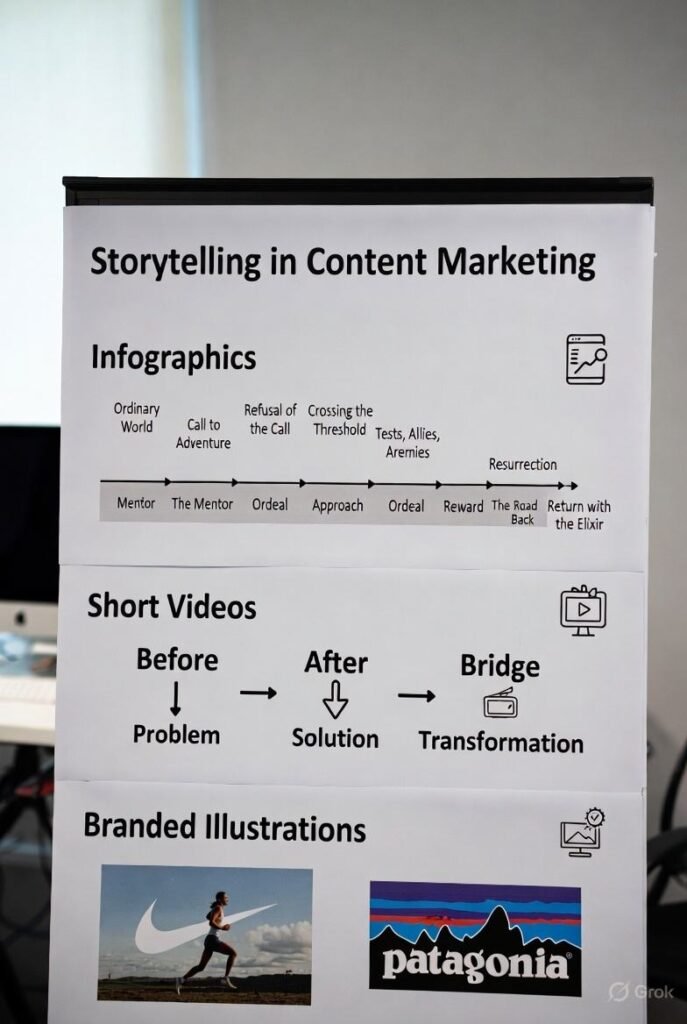
Storytelling Frameworks in MarketingStorytelling
- AIDA Model (Attention–Interest–Desire–Action)
- PAS (Problem–Agitate–Solution)
- Hero’s Journey
Role of Emotions in Buying Decisions
- Logical vs Emotional decisions
- Emotional triggers (fear, happiness, hope, belonging)
- How brands influence consumer behavior
Measuring the Success of Storytelling
- Engagement rate
- Conversion rate
- Click-through rate
- Brand recall
- Customer retention
Challenges of Storytelling
- Over-dramatization
- Lack of authenticity
- Misleading stories
- Audience mismatch
Ethical Storytelling
- Truthfulness
- Avoid emotional manipulation
- Respect cultural differences
- Honest customer testimonials
Storytelling vs Traditional Advertising
Storytelling marketing
- Emotional connection
- Coustmer focused
- Long term relationship
- Tow way engagement
Traditional Advertising
- Direct selling
- Product-focused
- Short-term impact
- One-way communication
Types of story telling
Brand Storytelling
Includes:
- Founder’s journey
- Company mission
- Brand values
- Growth story
Customer Storytelling
Includes:
- Testimonials
- Case studies
- Before-and-after transformations
- Reviews
Emotional Storytelling
This storytelling connects with feelings like happiness, fear, hope, or belonging.
Emotional triggers:
- Inspiration
- Trust
- Nostalgia
- Aspiration
Visual Storytelling
Uses images, videos, reels, and infographics to tell a story without heavy text.
- YouTube
- Facebook
Data Storytelling
- Transforms statistics and data into engaging narratives.
- Reports
- Infographics
- Blog posts
- Presentations
- Founder’s Story
- Struggles faced
- Turning points
- Motivation behind the brand
Social Impact Storytelling
- Highlights how a brand contributes to society or supports social causes
Educational Storytelling
- Used to teach customers something valuable while subtly promoting products.
- How-to blogs
- Tutorials
- Webinars
- Informative videos
User-Generated Storytelling
- Social media posts
- Hashtag campaigns
- Reviews
- Influencer collaborations
Interactive Storytelling
Allows customers to participate in the story.
- Polls
- Quizzes
- Live sessions
- Choose your ending campaigns
Storytelling Frameworks in Marketing
To structure effective stories, marketers use proven frameworks:
AIDA Model
- Attention
- Interest
- Desire
- Action
PAS Model
- Problem
- Agitate
- Solution
Measuring the Success of Storytelling
- Engagement rate
- Conversion rate
- Click-through rate (CTR)
- Brand recall
- Customer retention
- Share rate
- Average watch time
In what ways does a company benefit from using stories to develop its brand?
The use of storytelling allows an organization to create a distinct brand image within the industry. Telling a brand’s story can include conveying its mission, value, and purpose; each of these showcases how the organization is different from others. An effective, well told story will allow the audience to understand what a particular company represents and make it more memorable to that target group of clients. As a result of this, the brand’s position is reinforced, enhancing the likelihood of there being customer preference.
In what ways does a company benefit from using stories to develop its brand?
The use of storytelling allows an organization to create a distinct brand image within the industry. Telling a brand’s story can include conveying its mission, value, and purpose; each of these showcases how the organization is different from others. An effective, well told story will allow the audience to understand what a particular company represents and make it more memorable to that target group of clients. As a result of this, the brand’s position is reinforced, enhancing the likelihood of there being customer preference.
Conclusion
In today’s very competitive digital marketplace, traditional advertisements alone can no longer attract the attention of consumers. Through the use of storytelling, content marketing provides a way for brands to connect with their audience in a more emotional way than what is possible by promoting only products. With storytelling, a company can communicate its values, purpose, and identity to consumers distraction-free.
Loyalty to a brand is built through authentic engagement and emotions based on whether or not the brand uses strategic implementation to share a meaningful experience with its audience. Storytelling can influence consumer behavior, develop trust, enhance a brand’s positioning, and create more loyal customers. Through Storytelling, complex data is simple; companies’ images are easy to distinguish from competitors; and consumers have less resistance to receiving marketing messages. When brands use ethical principles and measurable strategies, storytelling will become more than just a creative means of marketing, it will become a viable and sound way for brands to market.